Get Drainage Sloping
Drainage sloping services help property owners improve land grading and install proper slopes to prevent water pooling, flooding, and foundation damage.
Proper drainage is essential for maintaining the integrity and safety of any property. Sloping drainage services help ensure that excess water is directed away from foundations, walkways, and landscaped areas, reducing the risk of water damage, erosion, and flooding. Property owners in the area may consider these services as part of their planning efforts to prevent costly issues down the line, especially in regions prone to heavy rainfall or poor natural drainage.
Exploring local contractors who specialize in drainage sloping can provide valuable options for tailored solutions that suit specific property needs. Comparing different service providers allows property owners to find experienced professionals capable of designing and implementing effective drainage systems. Continuing to read can help identify qualified local experts ready to assist with planning and executing drainage improvements.
- Drainage Sloping - needed when a property experiences pooling water or poor runoff during heavy rains.
- Surface Drainage - required to redirect excess water away from foundations and walkways.
- Driveway and Pathway Sloping - essential for preventing water accumulation and ice formation on paved surfaces.
- Garden and Landscape Drainage - necessary to improve soil drainage and prevent waterlogging in planting areas.
- Retaining Wall Drainage - important for managing water flow behind retaining structures to maintain stability.
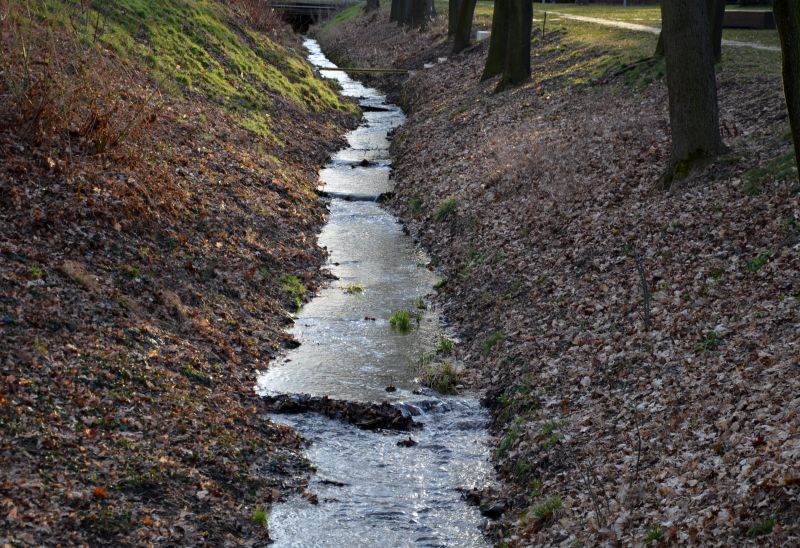
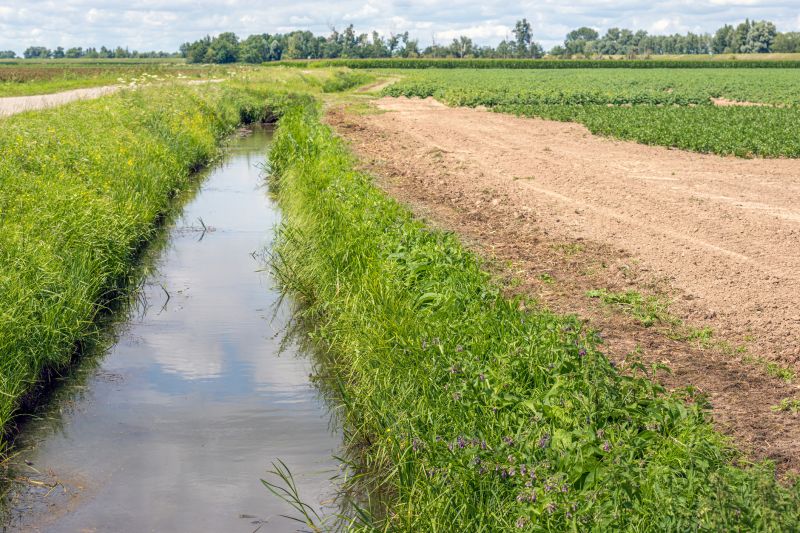
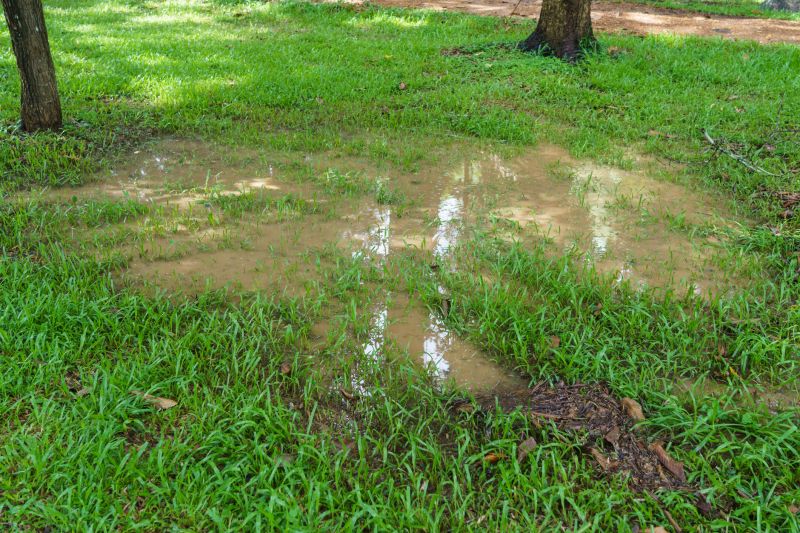
Drainage sloping services involve adjusting the ground levels around a property to ensure water flows away from the foundation and other critical areas. This process typically includes grading the landscape, installing or modifying drainage channels, and sometimes adding soil or other materials to create a gentle incline. Proper drainage slopes help prevent water from pooling near the property, reducing the risk of water ingress, erosion, and damage to the structure. Skilled contractors assess the current terrain and design a slope that effectively directs water runoff toward designated drainage points or away from vulnerable areas.
This service addresses common problems caused by poor drainage, such as persistent puddles, soggy lawns, and water seeping into basements or crawl spaces. When water collects around the foundation, it can lead to structural issues, mold growth, and costly repairs. Drainage sloping helps mitigate these issues by ensuring water is directed away from the property efficiently. It is especially useful in areas with heavy rainfall, uneven terrain, or properties built on slopes where natural drainage patterns may be inadequate or disrupted by landscaping or construction.
Properties that typically benefit from drainage sloping include residential homes, especially those with basements or low-lying yards. It is also valuable for properties with uneven terrain, sloped driveways, or gardens prone to water pooling. Commercial properties, such as retail stores or office buildings with extensive landscaping, may also require drainage adjustments to maintain safe and functional outdoor spaces. Overall, any property experiencing water accumulation or drainage issues can consider drainage sloping as a practical solution to improve water management and protect the property’s integrity.
Local service providers specializing in drainage sloping can evaluate a property’s specific needs and implement effective solutions. They use techniques and materials suited to the terrain and property type, ensuring that the slope is properly designed and constructed for optimal water flow. Contacting experienced contractors can help homeowners and property managers resolve drainage problems efficiently, preventing future issues and maintaining the safety and stability of the property. Comparing local options allows for finding the right professionals to handle drainage sloping projects tailored to individual property requirements.
The overview below groups typical Drainage Sloping projects into broad ranges so you can see how smaller, mid-sized, and larger jobs often compare in your area.
In many markets, a large share of routine jobs stays in the lower and middle ranges, while only a smaller percentage of projects moves into the highest bands when the work is more complex or site conditions are harder than average.
Smaller Repairs - typical costs for minor drainage sloping adjustments or fixes usually range from $250-$600. Many routine jobs fall within this middle range, depending on the extent of the work needed. Fewer projects will push into the higher end of this band.
Moderate Regrading - larger, more involved sloping corrections often cost between $600-$1,500. These projects are common for residential properties needing significant slope adjustments to improve drainage. Larger or more complex jobs can reach higher prices within this range.
Full Drainage System Replacement - complete replacement of drainage sloping systems generally costs $2,000-$5,000 or more. Many local contractors handle these larger projects, which tend to fall into the higher end of the spectrum based on size and complexity.
Complex or Custom Projects - very extensive or custom drainage solutions can exceed $5,000, especially for large commercial sites or intricate grading plans. These projects are less common and often involve specialized work that increases overall costs.
Actual totals will depend on details like access to the work area, the scope of the project, and the materials selected, so use these as general starting points rather than exact figures.
Foundation Drainage Installation - contractors specializing in drainage sloping often handle foundation drainage to prevent water accumulation around building bases.
Landscape Grading Projects - landscape grading involves shaping land surfaces to ensure proper water runoff, sharing skills with drainage sloping services.
Basement Waterproofing - waterproofing basements requires effective drainage planning and slope management to direct water away from structures.
Stormwater Management Systems - designing and installing systems to manage runoff involves similar planning and installation skills as drainage sloping.
Driveway Drainage Solutions - installing proper slopes for driveways to prevent pooling uses techniques common to drainage sloping projects.
Retaining Wall Drainage - integrating drainage features within retaining walls ensures stability and proper water flow, aligning with drainage sloping expertise.
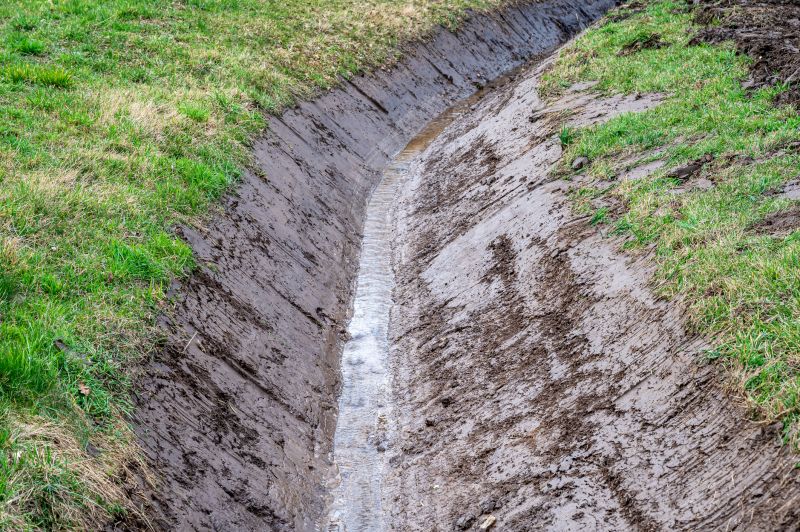
When comparing service providers for drainage sloping projects, it’s important to consider their experience with similar types of work. A contractor who has successfully handled projects comparable in size and scope can offer insights into potential challenges and effective solutions. Homeowners should inquire about the types of drainage systems the contractor has worked on, the complexity of previous projects, and whether they have a track record of completing work that matches the specific needs of the property. This focus on relevant experience can help ensure that the chosen professional understands the nuances involved and is equipped to deliver a quality result.
Clear written expectations are vital when selecting a drainage sloping contractor. Homeowners should seek detailed proposals that outline the scope of work, materials to be used, and the steps involved in completing the project. Having this information in writing helps prevent misunderstandings and provides a benchmark for assessing the contractor’s approach. Well-defined expectations also make it easier to compare different local contractors fairly, ensuring that each one’s offerings are transparent and comprehensive. Clear communication from the outset sets the foundation for a smooth project and helps ensure that the final outcome aligns with the homeowner’s needs.
Reputable references and good communication are essential qualities to evaluate when choosing a drainage professional. Homeowners should ask for references from recent clients who had similar work done, and follow up to learn about their experiences. This can provide insights into the contractor’s reliability, quality of work, and how well they communicate throughout the project. Effective communication-prompt responses, clarity, and transparency-can significantly impact the overall experience and help address any concerns promptly. It’s worth noting that these local service providers are introduced as options for homeowners to connect with, not as entities performing the work directly. The goal is to find a dependable professional who can handle the project with expertise and clear communication.
Property owners use Drainage Sloping services for practical projects around their homes and businesses. This guide focuses on everyday jobs and straightforward project options.
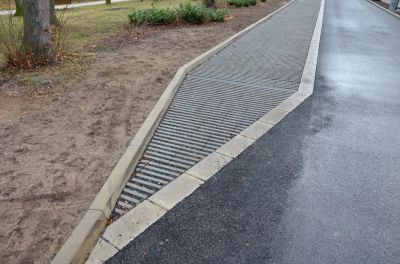
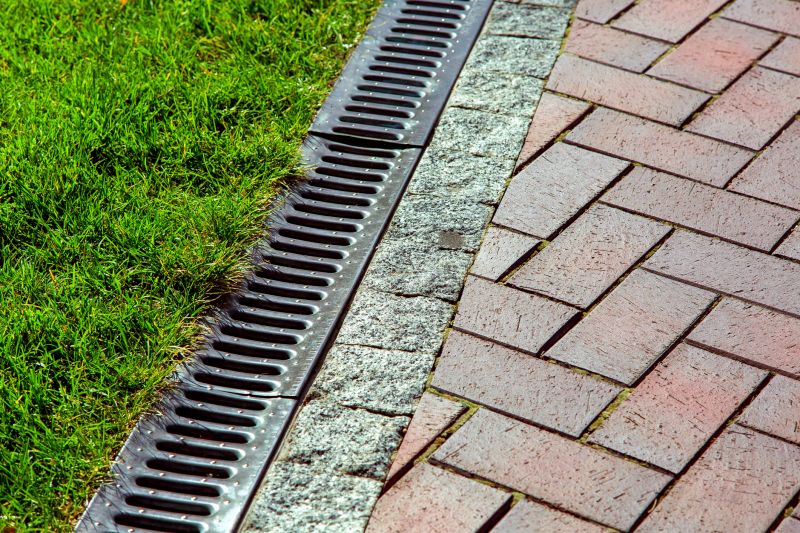
Drainage sloping services are often needed when property owners notice issues like standing water after heavy rain, pooling in the yard, or uneven ground that causes water to collect where it shouldn’t. These problems can lead to potential damage to foundations, landscaping, or pathways, making proper drainage a priority. Local contractors specializing in drainage sloping can assess the terrain and implement solutions that direct water away from structures, helping to prevent long-term issues and maintain the integrity of the property.
Homeowners may also seek drainage sloping services when planning landscaping projects or building extensions, to ensure water flows away smoothly and doesn’t cause erosion or flooding. In areas prone to heavy rainfall or with uneven land, professional drainage adjustments can improve safety and usability around the property. Local service providers are experienced in handling these projects, providing tailored solutions that address specific site conditions and help keep outdoor spaces functional and dry.
What is drainage sloping? Drainage sloping involves adjusting the angle of surfaces like driveways, patios, or lawns to direct water away from buildings and prevent pooling or flooding.
Why is proper drainage sloping important? Proper drainage sloping helps protect structures from water damage, reduces erosion, and keeps outdoor areas safe and dry during heavy rainfall.
How do local contractors determine the right slope for drainage? Contractors assess the property’s landscape, existing drainage patterns, and local building codes to recommend appropriate slopes that effectively channel water away.
Can drainage sloping be added to existing surfaces? Yes, experienced service providers can modify or regrade existing surfaces to improve drainage and ensure water flows away properly.
What types of surfaces can be sloped for drainage? Various surfaces such as driveways, patios, lawns, and walkways can be sloped to enhance water runoff and prevent standing water issues.
Drainage Slope Assessment - A property owner can have local contractors evaluate existing slopes to identify areas where water may collect or cause damage.
Landscape Drainage Planning - Homeowners can plan for proper grading and drainage solutions to prevent water pooling near foundations or walkways.
Gutter and Downspout Drainage - Property owners can ensure that gutters direct water away from the building, reducing the risk of water intrusion and erosion.
Soil and Surface Grading - Local service providers can help adjust soil levels to improve runoff flow and protect landscaping from water damage.
If you are thinking about Drainage Sloping for a property, this guide is meant to help you understand the work, the typical project types, and how different options might fit your plans.
When you are ready, you can use the quote form on this page to share a few details about your project. From there, local pros can review the basics and respond with options that match what you have in mind.