Property Line Clearing in Atlanta, GA
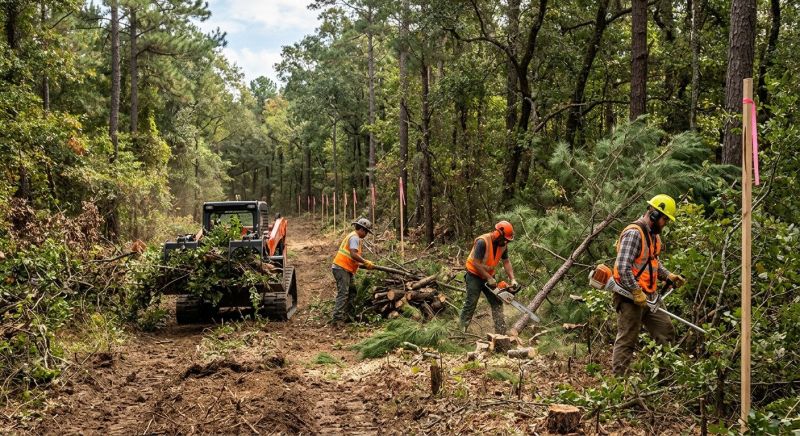
Property line clearing services involve removing trees, shrubs, and other vegetation along property boundaries to establish clear, defined lines between neighboring properties. This work is often requested for projects such as installing fencing, preparing land for construction or landscaping, or resolving boundary disputes. Homeowners typically want to understand the extent of vegetation removal, the impact on existing landscaping, and any potential effects on drainage or erosion before proceeding with the service.
Property owners should consider the size and type of vegetation to be cleared, as well as the overall scope of the project. It’s important to clarify property boundaries and confirm any local regulations or restrictions that may affect vegetation removal. Proper planning ensures that the clearing aligns with property goals and avoids unintended impacts on neighboring land or natural features.
Many property owners in Atlanta, GA look into Property Line Clearing for repairs, replacements, upgrades, and appearance-related improvements.
Property Line Demarcation
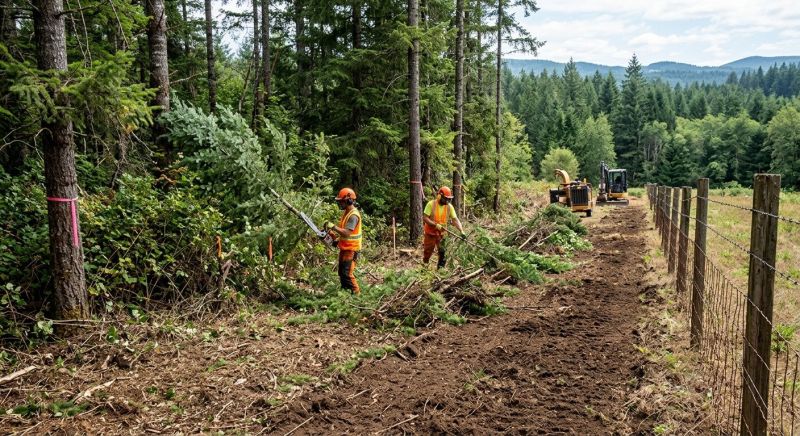
Clear and define property boundaries to prevent disputes and improve land management.
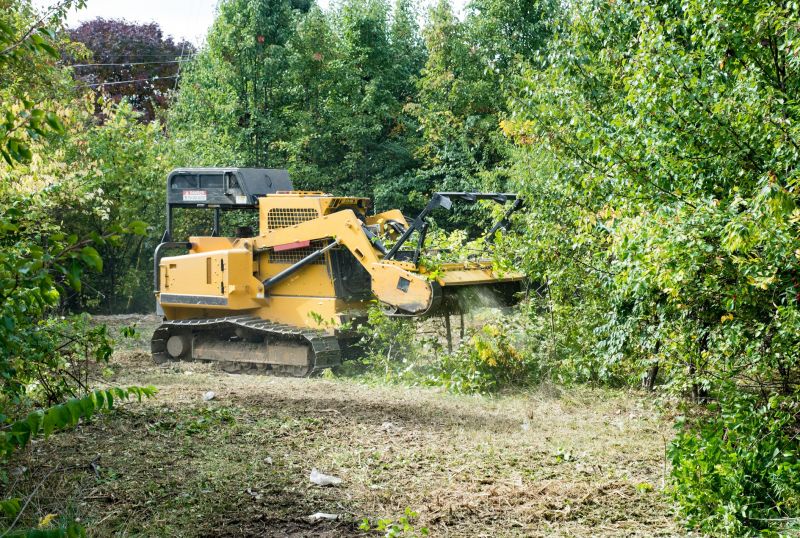
Overgrown Vegetation Removal
Remove trees, bushes, and underbrush to enhance yard safety and accessibility.
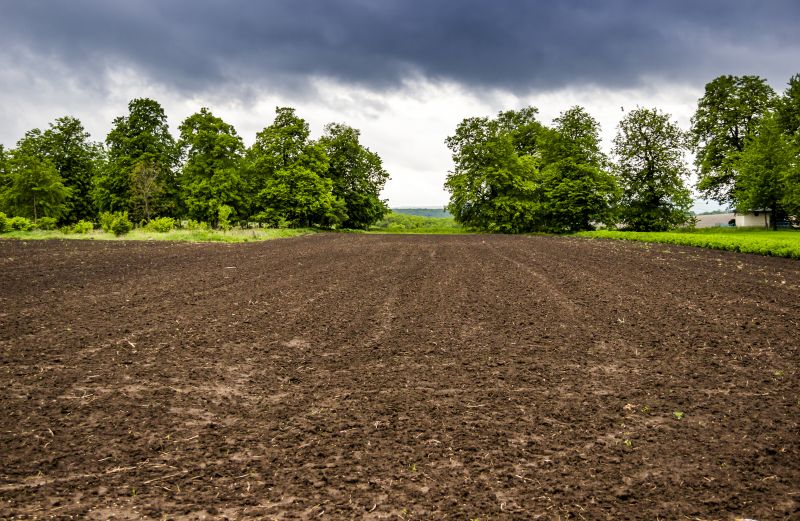
Land Clearing For Development
Prepare land for construction or landscaping projects by removing unwanted growth and debris.
Property Line Clearing in Atlanta, GA
Property line clearing services involve removing trees, shrubs, and other vegetation along property boundaries to establish clear, defined lines between neighboring properties. This work is often requested for projects such as installing fencing, preparing land for construction or landscaping, or resolving boundary disputes. Homeowners typically want to understand the extent of vegetation removal, the impact on existing landscaping, and any potential effects on drainage or erosion before proceeding with the service.
Property owners should consider the size and type of vegetation to be cleared, as well as the overall scope of the project. It’s important to clarify property boundaries and confirm any local regulations or restrictions that may affect vegetation removal. Proper planning ensures that the clearing aligns with property goals and avoids unintended impacts on neighboring land or natural features.
Many property owners in Atlanta, GA look into Property Line Clearing for repairs, replacements, upgrades, and appearance-related improvements.
Common Property Line Clearing Jobs
Property line clearing involves removing trees, shrubs, and debris to define property boundaries clearly.
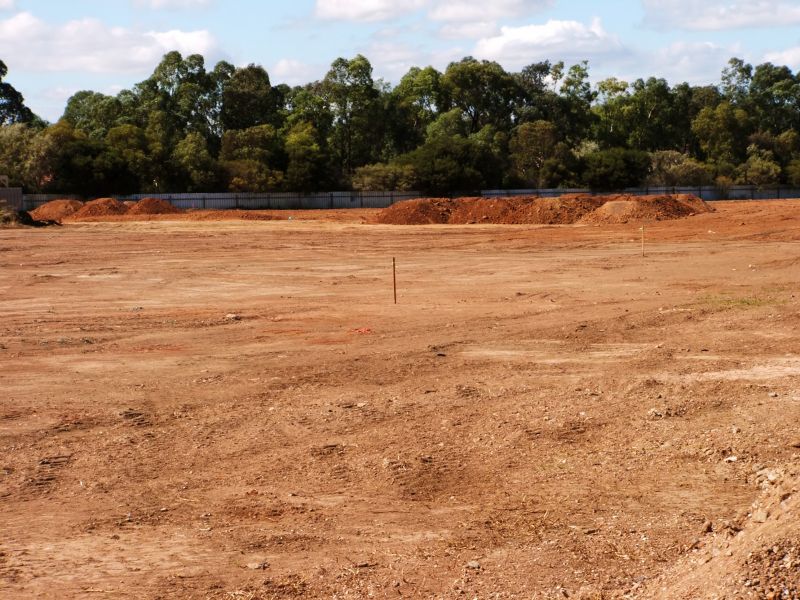
Lot clearing prepares land for construction, landscaping, or agricultural use by removing unwanted vegetation.
Fence line clearing ensures fences are unobstructed and land boundaries are easily visible.
Overgrown brush removal helps maintain property aesthetics and reduces fire hazards.
Tree trimming and removal improves safety and prevents damage to structures near property lines.
Storm debris clearing removes fallen branches and damaged trees after severe weather events.
Property Line Clearing Questions
What is property line clearing? Property line clearing involves removing trees, shrubs, and other vegetation along property boundaries to define clear borders and prevent encroachments.
Why is property line clearing important? Clearing helps maintain property boundaries, reduces disputes, and improves safety by removing overgrown or hazardous vegetation near property edges.
What types of projects typically require line clearing? Projects include fencing, landscaping, construction, or boundary marking where clear and defined property lines are needed.
How does property line clearing benefit property owners? It enhances property appearance, increases usable space, and helps prevent potential legal issues related to boundary disputes.
Request Property Line Clearing in Atlanta, GA
Use the quote form on this page to share the basics of your project and request more information for the type of work you need.